
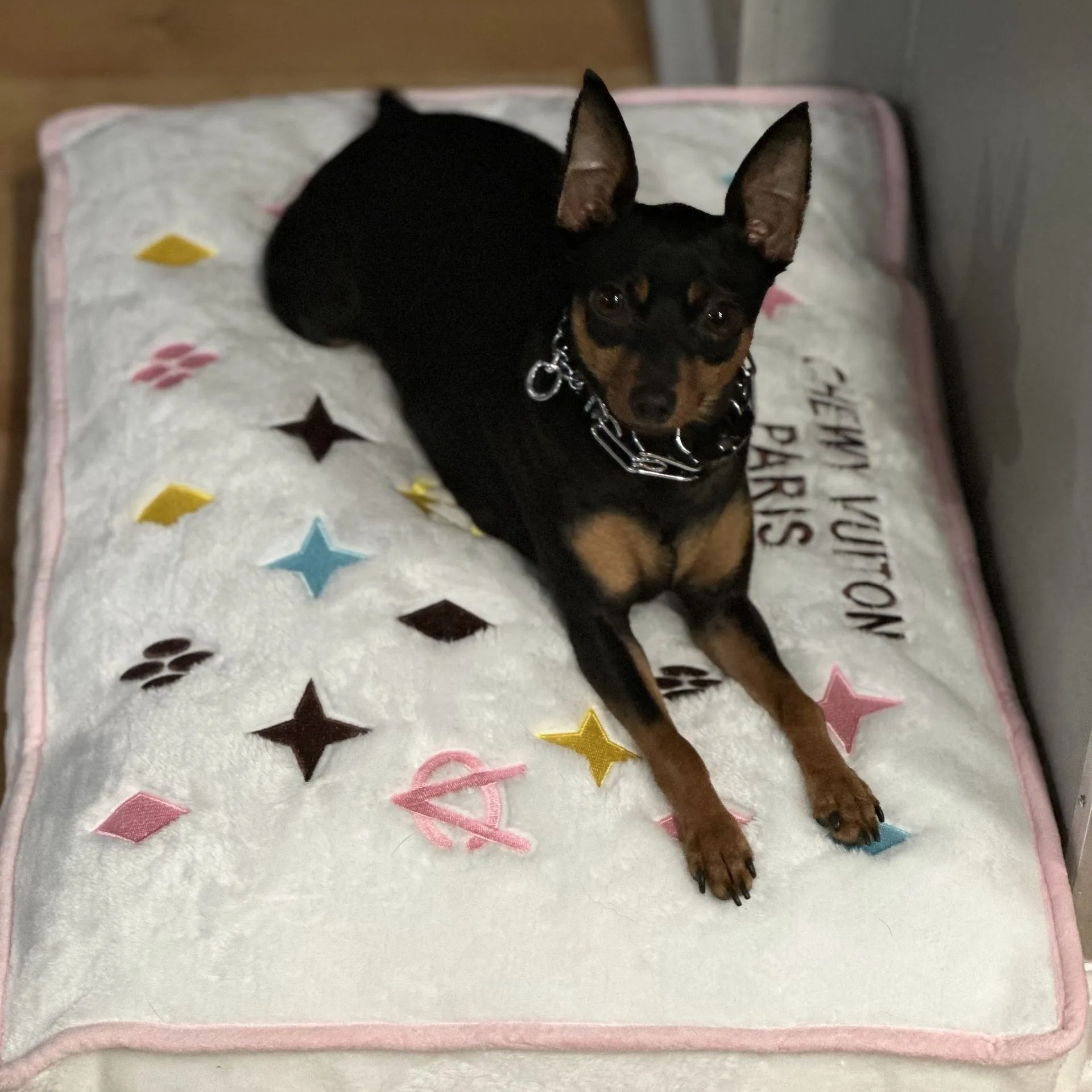
The Complete Guide to Housebreaking Your Puppy
Bringing home a new puppy is exciting — but let’s be honest, housebreaking can quickly test your patience. The good news? With consistency, structure, and the right approach, most puppies can learn proper bathroom habits much faster than owners expect.
At Elite Dog Training, the philosophy is simple: successful training comes from clear communication, repetition, consistency, and teaching both the dog and the owner. Their in-home training approach focuses on building long-term habits that work in real-life environments — not just during training sessions.
Here’s how to set your puppy up for housebreaking success from day one.
Start With a Consistent Schedule
Dogs thrive on routine. One of the biggest mistakes owners make is allowing inconsistent feeding and potty schedules.
Puppies should go outside:
- First thing in the morning
- Immediately after eating
- After naps
- After playtime
- Before bedtime
- Every 1–2 hours for young puppies
The more opportunities your puppy has to succeed outside, the fewer accidents happen indoors.
Consistency creates predictability, and predictability speeds up learning.
Supervision Is Everything
Many housebreaking issues come down to one simple problem: insufficient supervision. Experienced trainers and dog owners consistently emphasize that puppies need close monitoring during the learning process.
If your puppy is wandering freely around the house unsupervised, accidents are almost guaranteed.
Instead:
- Keep your puppy in the same room with you
- Use a leash indoors if needed
- Watch for signs like sniffing, circling, or suddenly stopping play
- Interrupt accidents calmly and immediately take them outside
Every successful potty trip outdoors reinforces the habit you want.
Crate Training Can Be a Powerful Tool
Crate training works because dogs naturally prefer to keep their sleeping area clean. When used properly, crates help puppies learn bladder control and establish routine.
However, the crate should never be used as punishment.
A good crate setup should:
- Be large enough for the puppy to stand and turn around
- Feel safe and comfortable
- Be introduced gradually and positively
If your puppy doesn’t go outside when taken out, a short period back in the crate followed by another potty attempt can help establish the connection between outdoors and bathroom time.
Reward Success Immediately
Timing matters.
The reward should happen the moment your puppy finishes going outside — not several minutes later after coming back inside.
Praise, affection, and positive reinforcement help your puppy understand:
“Going outside is the correct behavior.”
At Elite Dog Training, training emphasizes consistency and communication rather than gimmicks or confusing methods. Building trust and clarity helps dogs learn faster and with less stress.
Accidents Will Happen — Stay Calm
Housebreaking is a process, not an overnight transformation.
Punishing accidents after the fact usually creates fear and confusion because dogs do not connect delayed punishment with something they did earlier.
Instead:
- Clean accidents thoroughly to remove odor
- Stay calm
- Focus on preventing the next mistake
Your goal is to create as many successful repetitions as possible.
Some Puppies Need a Different Approach
Not every puppy learns at the same pace.
Dogs from puppy mills, shelters, or overcrowded environments sometimes struggle more because they may not have developed natural cleanliness habits early on. Trainers in the dog community often note that these dogs may require additional patience and modified training methods.
The key is adapting the training plan to the individual dog instead of forcing a one-size-fits-all approach.
That personalized philosophy is one reason many owners choose Elite Dog Training for in-home training support. Their programs are designed around each dog’s personality, environment, and family lifestyle.
Housebreaking Takes Patience — But It’s Worth It
Every puppy owner experiences frustration during housebreaking at some point. The owners who succeed are usually the ones who remain patient, consistent, and committed to the process.
The effort you put in during those early weeks creates habits that last for years.
With proper structure, clear communication, and guidance, your puppy can become a calm, confident, and reliable companion both inside and outside the home.
If you need help creating a personalized training plan, Elite Dog Training offers professional in-home dog training throughout Chicago’s North Shore and surrounding communities.

Elite Dog Training Recognized as Best Dog Trainer in Highland Park, Illinois for 2026
At Rich’s Elite Dog Training, we believe every dog deserves the opportunity to become a well-mannered, confident, and happy companion. We’re proud to share our 2026 recognition from the Quality Business Awards in the dog trainer category for Highland Park, Illinois!...
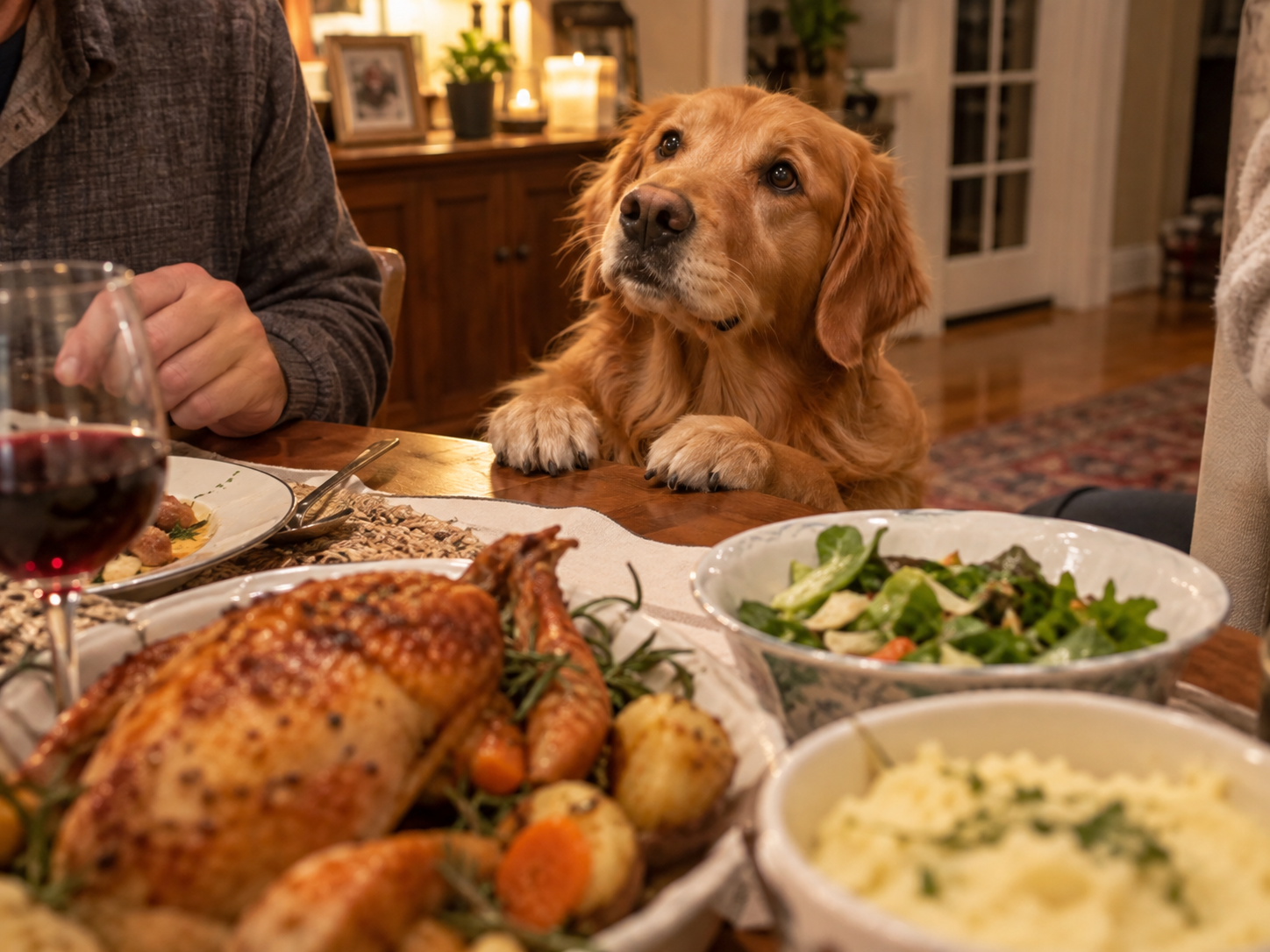
How to Stop Your Dog From Begging for Food at Mealtime
Does your dog stare at you, whine, paw at your leg, or hover around the dinner table every time your family eats? If so, you're dealing with one of the most common—and frustrating—dog behavior problems: begging for food. The good news is that dog begging is a behavior...
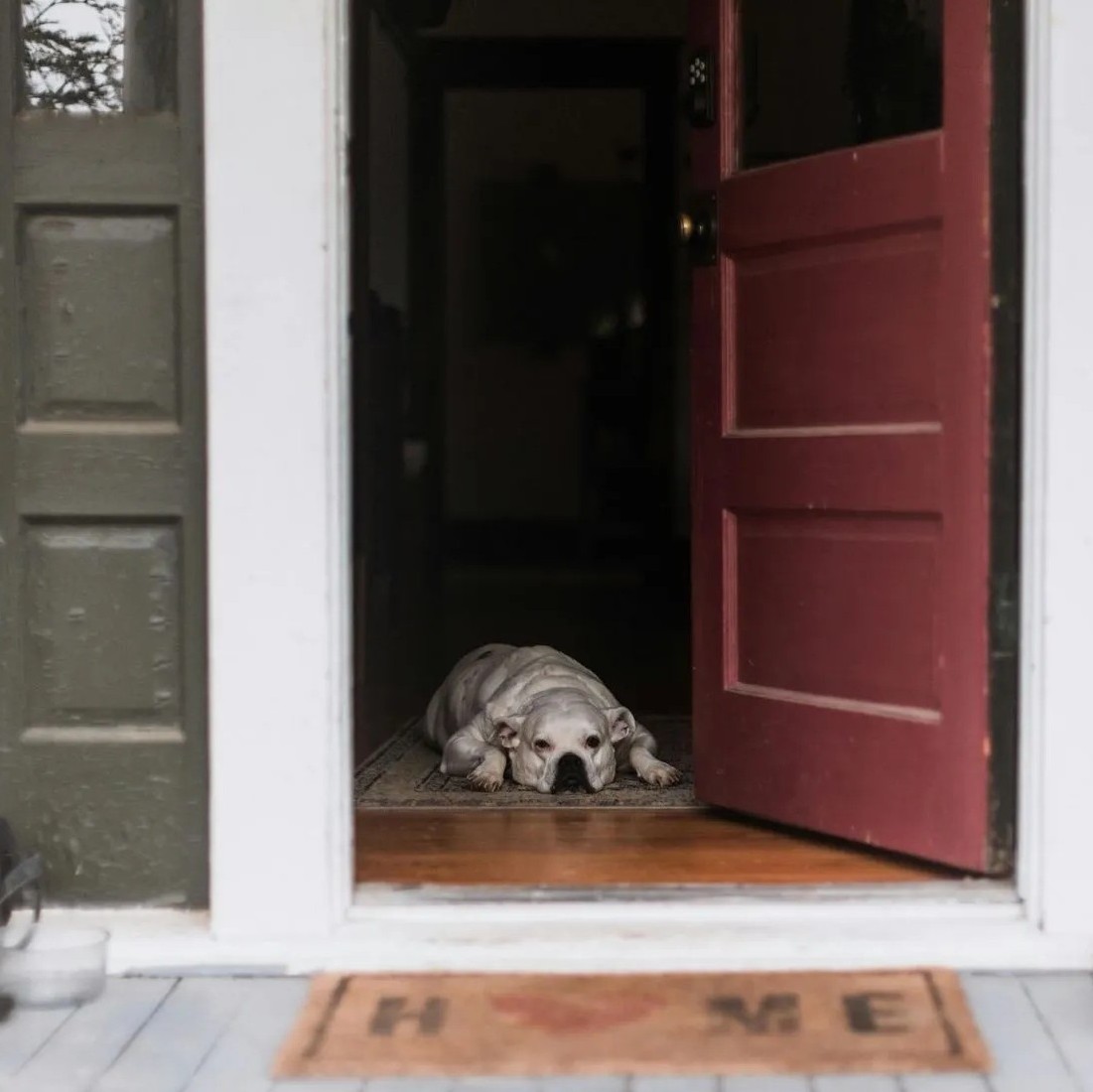
Door Bolting: How to Keep Your Dog Safe When the Door Opens
Does your dog rush the door the moment someone reaches for the handle? Door bolting may look like excitement, but it can quickly become a serious safety issue. A dog that darts through an open front door can run into traffic, get lost, approach another dog, or put...
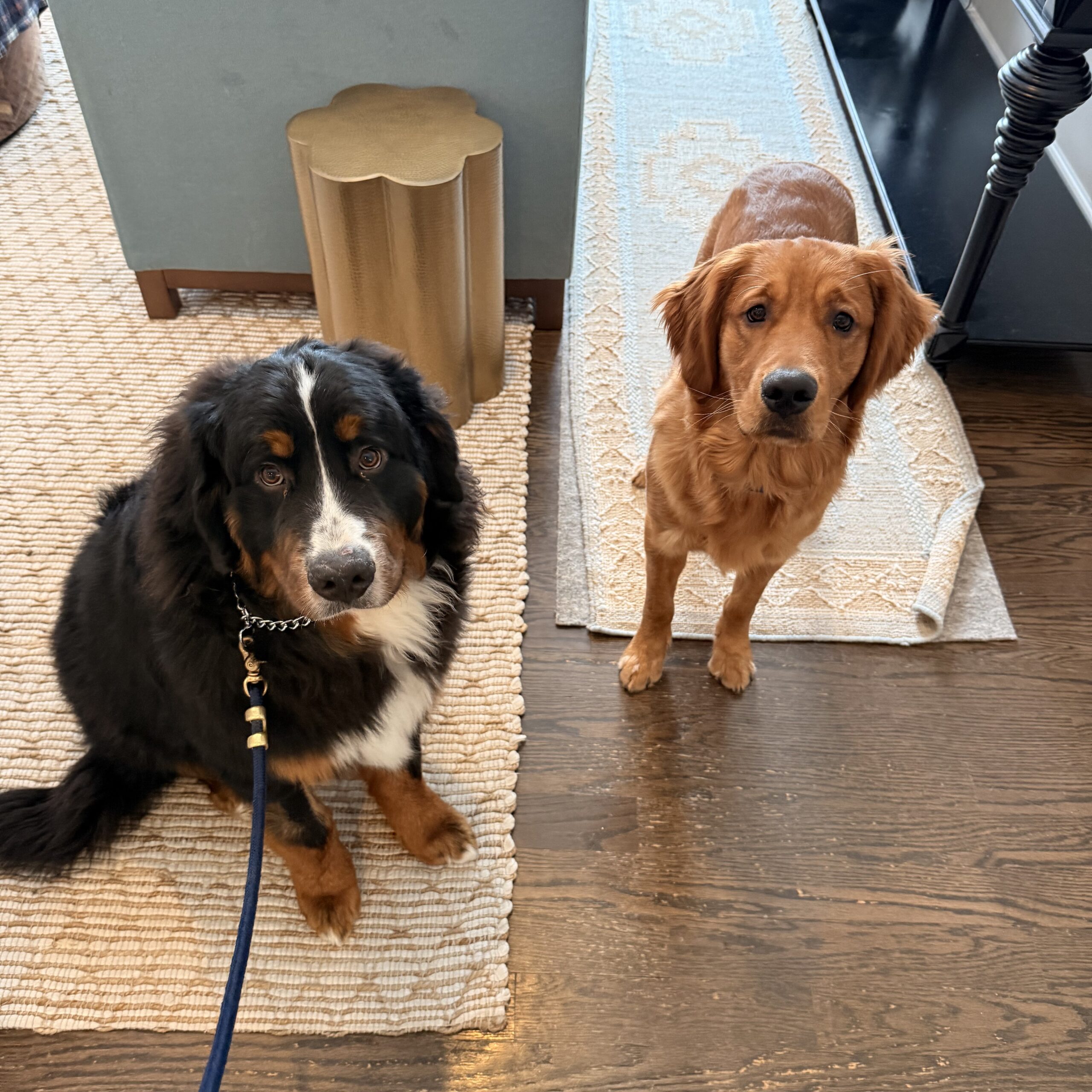
How to Stop Your Dog From Jumping on People
A dog jumping up to greet you can seem cute when they’re a small puppy. But once that puppy grows into a full-sized adult dog, the same enthusiastic greeting can become frustrating, embarrassing, and even unsafe. Jumping is one of the common behavior problems dog...
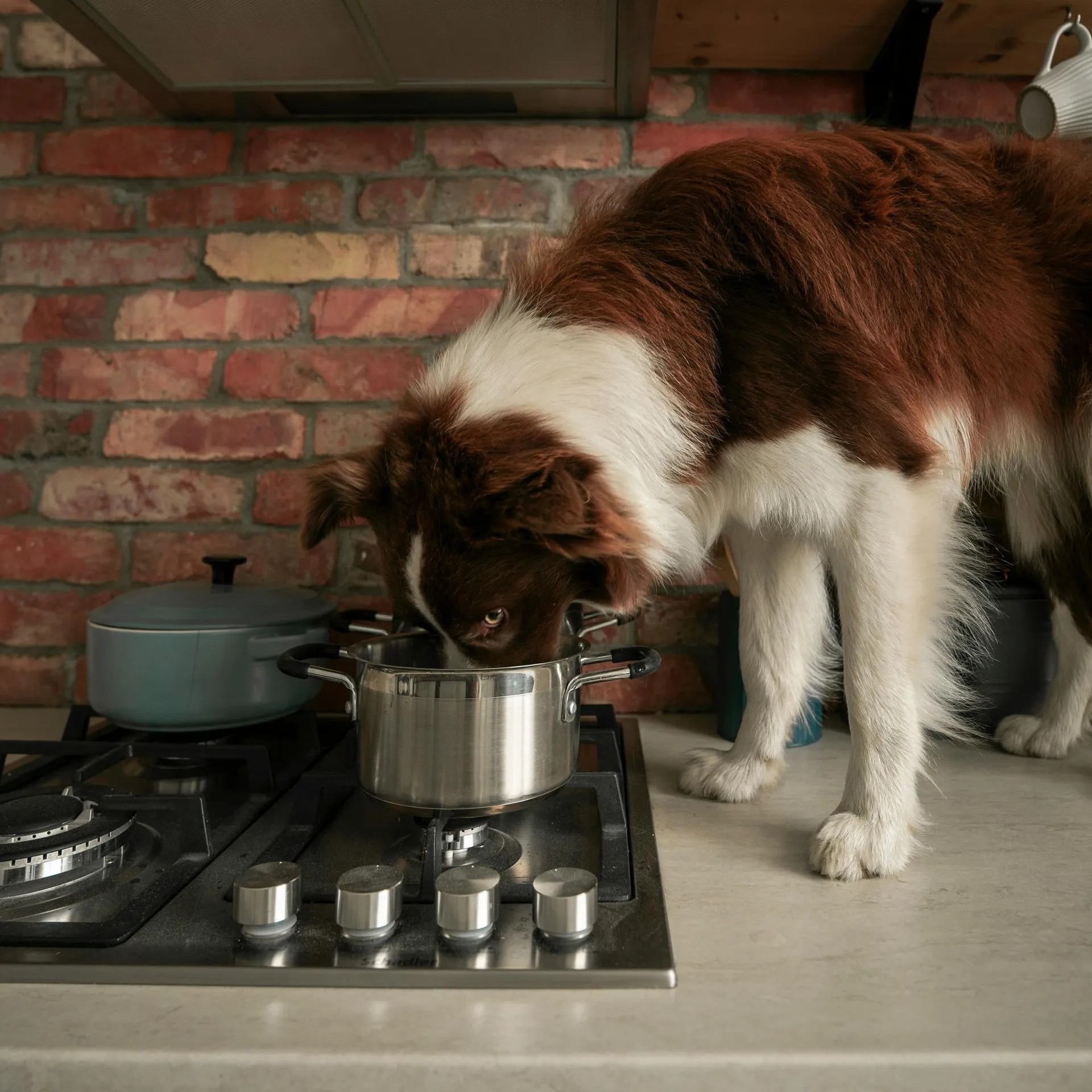
How to Stop Your Dog from Counter Surfing for Good
If you’ve ever turned your back for just a second only to find your dinner missing from the kitchen counter, you’re not alone. Counter surfing is one of the most common behavior problems dog owners face, and unfortunately, it’s also one of the easiest habits for dogs...
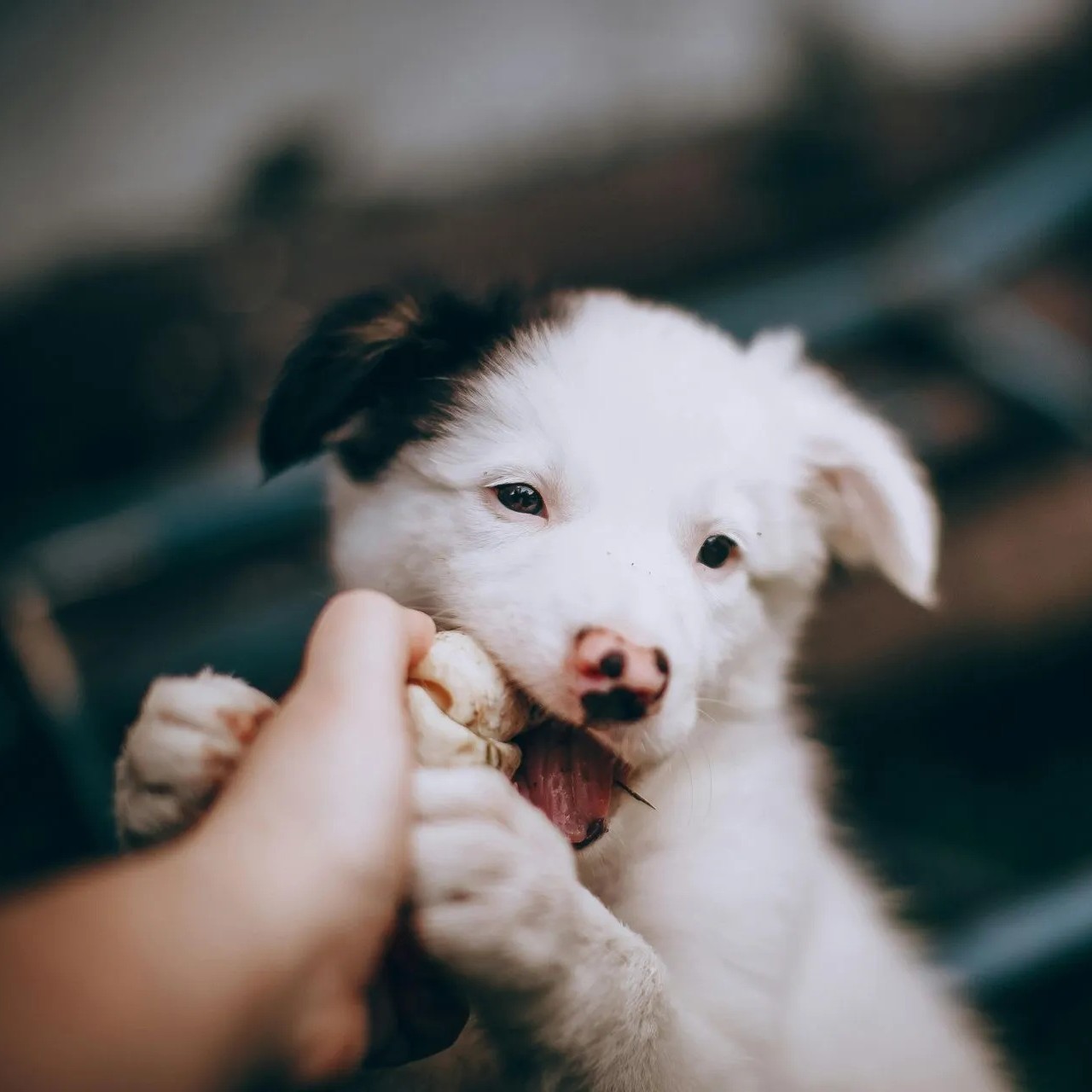
Puppy Biting: Why It Happens and How to Stop It
If you’ve recently brought home a puppy, you’ve probably discovered one thing very quickly: puppies love to bite. Hands, ankles, sleeves, shoelaces, furniture — nothing seems off limits. While puppy biting can feel frustrating (and painful), it’s actually a normal...
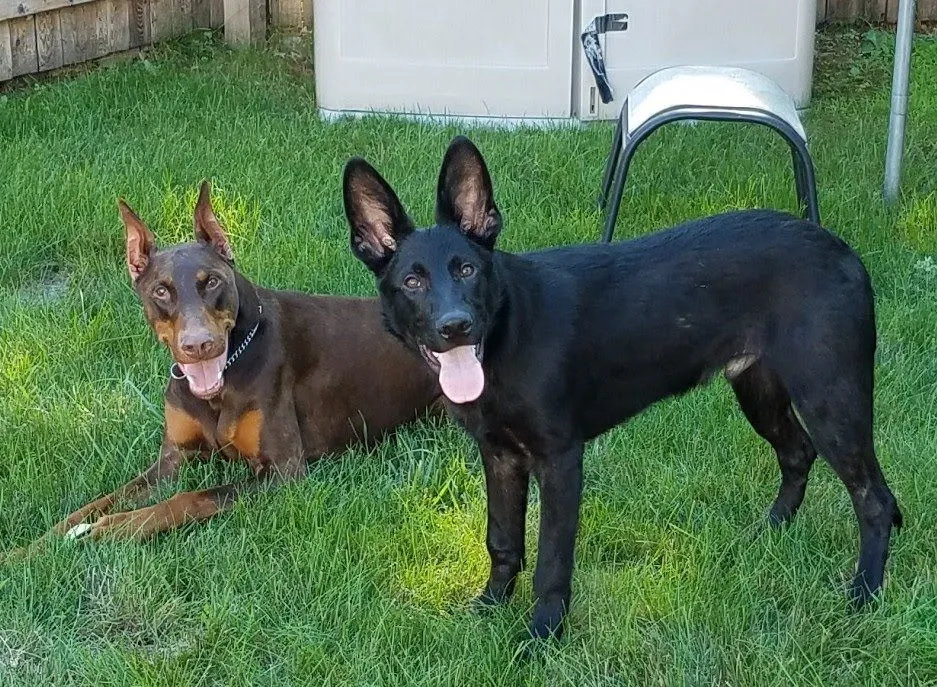
The Importance Of Following Breed-Specific Advice
Different breeds have different personalities and respond to in-home dog training techniques in different ways. Therefore, if you are planning to buy more than one dog or if you happen to prefer having dogs of different breeds, I strongly suggest that you look for an...
Basic Training Commands
Some of the most basic and important dog obedience commands are "heel", "sit", "stay", "down", "come", and "drop it". These may seem like very simple commands, but they are more than just cute little tricks. They are actually the keys to controlling your dog’s daily...
Dog Biting
Amongst the most feared and dangerous dog behaviors is “Biting.” Even the most aggressive dog can be trained to improve its behavior considerably. However, To successfully deal with dog biting problems, finding out how the behavior began will be necessary. The best...

Home Dog Training vs. Obedience School
What is so important about in-home dog training? Couldn’t you just send your dog to obedience school? Technically, you DO have a choice of enrolling your dog in obedience school. But, as more and more satisfied owners discover, training conducted in the home...
