
How to Stop Your Dog From Jumping on People
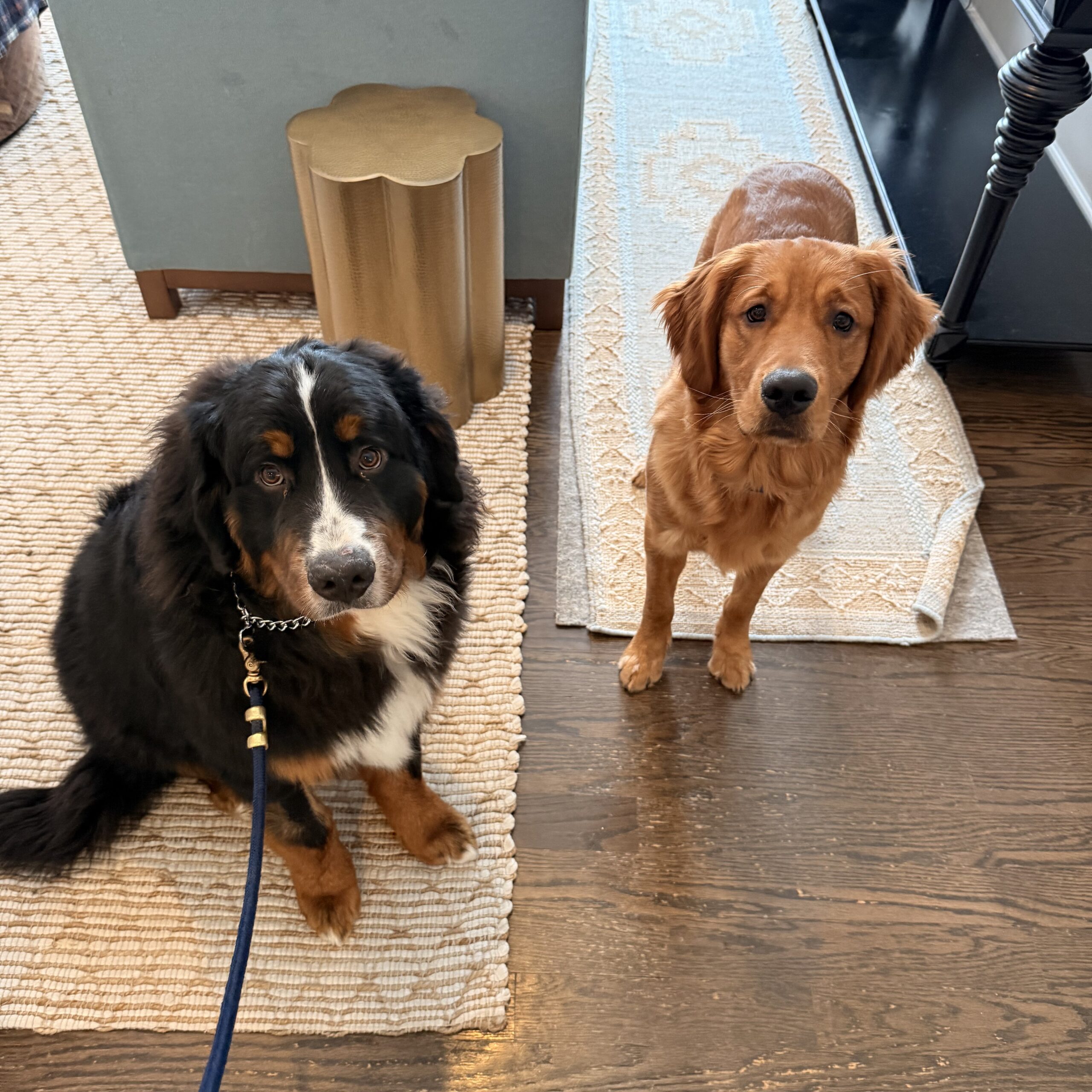
A dog jumping up to greet you can seem cute when they’re a small puppy. But once that puppy grows into a full-sized adult dog, the same enthusiastic greeting can become frustrating, embarrassing, and even unsafe.
Jumping is one of the common behavior problems dog owners face, especially when guests arrive at the house. The good news is that dogs can learn a calmer, more appropriate way to say hello. The key is clear communication, consistency, and teaching your dog exactly what you want them to do instead. Rich’s Elite Dog Training addresses jumping as part of its in-home behavior training and emphasizes working with dogs in the environment where the behavior actually occurs.
Why Do Dogs Jump on People?
In many cases, jumping begins because a dog is excited and wants attention.
Think about what often happens with a puppy. The puppy jumps up, someone bends down, pets them, talks to them, or picks them up. Without realizing it, the family may be teaching the puppy that jumping is an effective way to get attention.
As that puppy grows, the behavior may continue even though it is no longer welcome. Rich’s Elite Dog Training specifically notes that jumping can develop when puppies are allowed to jump up and receive affection, only for the behavior to become a bigger problem once the dog reaches adulthood.
That means correcting jumping isn’t simply about stopping an unwanted behavior. You also need to teach your dog a better way to greet people.
Teach Your Dog What to Do Instead
One of the most useful alternatives to jumping is a reliable sit and stay.
Instead of allowing your dog to rush toward someone entering the home, begin teaching them that greeting a person starts with keeping all four paws on the floor.
A strong sit-stay gives your dog something specific to do when excitement rises. Rich’s Elite Dog Training uses sit and stay as foundational obedience skills and practices them around real-world distractions such as doorbells, people walking nearby, and other situations in which dogs may become excited.
Start practicing when things are calm. Ask your dog to sit, reward calm behavior with attention or praise, and use a clear release cue so your dog learns when the exercise is finished.
As your dog improves, gradually introduce more challenging situations.
Practice Calm Greetings Before Guests Arrive
Don’t make the first training session happen during a holiday party with ten people standing at the front door.
Instead, create controlled practice sessions.
Have a family member or friend approach the door while you work with your dog. Ask your dog to sit and remain calm before the person enters. If the dog breaks position and becomes overly excited, reset the exercise and try again.
The goal is to help your dog understand a simple rule:
Calm behavior makes greetings happen. Jumping does not.
Over time, practice with different people and different levels of excitement. Dogs need to learn that the same expectations apply whether the visitor is a quiet neighbor or their favorite family member.
Elite Dog Training emphasizes practicing obedience in multiple locations and situations so that a dog learns to respond beyond a quiet training environment.
Make Sure Everyone Follows the Same Rules
Consistency is one of the most important parts of changing jumping behavior.
If one person allows your dog to jump while another person corrects it, the dog receives mixed messages.
Decide what an appropriate greeting looks like in your household and make sure everyone follows the same routine.
That includes:
- Family members
- Children
- Friends
- Regular visitors
- Anyone else who frequently interacts with your dog
Rich’s Elite Dog Training emphasizes teaching both dogs and family members consistent cues and communication so that expectations remain clear.
Consistency makes it much easier for your dog to understand what you expect.
Don’t Accidentally Reward Jumping
Attention can be rewarding to a dog—even when the attention sounds negative.
If jumping reliably results in touching, talking, excitement, or interaction, your dog may continue trying it.
Instead, focus your attention on the behavior you want.
When your dog approaches calmly, sits, or keeps all four paws on the floor, that’s the moment to interact.
The objective isn’t simply to tell your dog, “Don’t jump.”
It is to teach:
“This is how you greet people.”
Clear communication and positive reinforcement are central elements of Elite Dog Training’s approach to building reliable behavior.
Work on the Excitement Behind the Jumping
Sometimes jumping is part of a larger impulse-control problem.
A dog who explodes with excitement when the doorbell rings may also rush through doors, ignore commands when visitors arrive, pull toward people on walks, or struggle to settle down.
In these situations, working only on the moment of jumping may not be enough.
Practice obedience around distractions. Work on waiting at doors. Strengthen sit, stay, and come. Give your dog opportunities for appropriate physical activity and mental stimulation.
Elite Dog Training’s approach to doorway behavior combines boundaries, consistent communication, impulse control, and attention to the excitement driving the behavior.
Why In-Home Dog Training Can Help With Jumping
Jumping often happens in very specific situations:
- The doorbell rings.
- A guest walks through the front door.
- Someone comes home from work.
- A child starts playing.
- A familiar friend gets the dog excited.
That’s one reason in-home dog training can be especially valuable for greeting problems. Instead of trying to recreate the behavior somewhere else, training can take place exactly where the unwanted behavior occurs.
Rich’s Elite Dog Training specializes in mobile, in-home training throughout Chicago’s North Shore and addresses behaviors including jumping on guests, barking, leash pulling, biting, digging, and door bolting.
Training in your own home also allows the trainer to see how your dog interacts with your family, your visitors, and the everyday situations that trigger the behavior.
Be Patient and Stay Consistent
Jumping is often a behavior dogs have practiced successfully for months or even years. Changing that habit takes repetition.
Don’t expect your dog to understand the new rule after one training session.
Practice calm greetings regularly. Strengthen basic obedience. Make sure everyone follows the same rules. Most importantly, clearly show your dog which behaviors lead to the attention and interaction they want.
The goal isn’t to take the happiness out of your dog’s greeting.
It’s to turn all that enthusiasm into a greeting that’s calm, controlled, and enjoyable for everyone.
Need Help With a Dog That Won’t Stop Jumping?
If your dog continues jumping on family members, visitors, or people you encounter outside the home, professional training can help identify what’s driving the behavior and create a plan that works for your individual dog.
Rich’s Elite Dog Training provides private, mobile dog training throughout Lake Forest, Highland Park, Glenview, Glencoe, Deerfield, Wilmette, Winnetka, and other communities across Chicago’s North Shore. Training programs are tailored to the dog’s personality, family, lifestyle, and specific behavior challenges.
Ready for calmer greetings and better manners? Contact Rich’s Elite Dog Training to learn how personalized in-home dog training can help your dog become a calmer, more reliable companion.

Door Bolting: How to Keep Your Dog Safe When the Door Opens
Does your dog rush the door the moment someone reaches for the handle? Door bolting may look like excitement, but it can quickly become a serious safety issue. A dog that darts through an open front door can run into traffic, get lost, approach another dog, or put...

How to Stop Your Dog from Counter Surfing for Good
If you’ve ever turned your back for just a second only to find your dinner missing from the kitchen counter, you’re not alone. Counter surfing is one of the most common behavior problems dog owners face, and unfortunately, it’s also one of the easiest habits for dogs...

The Complete Guide to Housebreaking Your Puppy
Bringing home a new puppy is exciting — but let’s be honest, housebreaking can quickly test your patience. The good news? With consistency, structure, and the right approach, most puppies can learn proper bathroom habits much faster than owners expect. At Elite Dog...
Puppy Biting: Why It Happens and How to Stop It
If you’ve recently brought home a puppy, you’ve probably discovered one thing very quickly: puppies love to bite. Hands, ankles, sleeves, shoelaces, furniture — nothing seems off limits. While puppy biting can feel frustrating (and painful), it’s actually a normal...

The Importance Of Following Breed-Specific Advice
Different breeds have different personalities and respond to in-home dog training techniques in different ways. Therefore, if you are planning to buy more than one dog or if you happen to prefer having dogs of different breeds, I strongly suggest that you look for an...

Basic Training Commands
Some of the most basic and important dog obedience commands are "heel", "sit", "stay", "down", "come", and "drop it". These may seem like very simple commands, but they are more than just cute little tricks. They are actually the keys to controlling your dog’s daily...

Dog Biting
Amongst the most feared and dangerous dog behaviors is “Biting.” Even the most aggressive dog can be trained to improve its behavior considerably. However, To successfully deal with dog biting problems, finding out how the behavior began will be necessary. The best...

Home Dog Training vs. Obedience School
What is so important about in-home dog training? Couldn’t you just send your dog to obedience school? Technically, you DO have a choice of enrolling your dog in obedience school. But, as more and more satisfied owners discover, training conducted in the home...

Dog Training Tips To Stop Dog Jumping
Too often, owners are the cause of the bad behavior known as “Jumping Up.” From the puppy stage to adulthood, many puppies are allowed to jump up and be petted and loved. Then, the puppy grows into a full-sized adult that knocks you off your feet whenever it greets...

Eliminate The Source Cause Of Dog Biting
Dog biting problems are simply the results arising from some other factor. By identifying and addressing that factor with patience and confidence, you can effectively eliminate the biting problems. Patience is especially needed when you are still trying to identify...
