
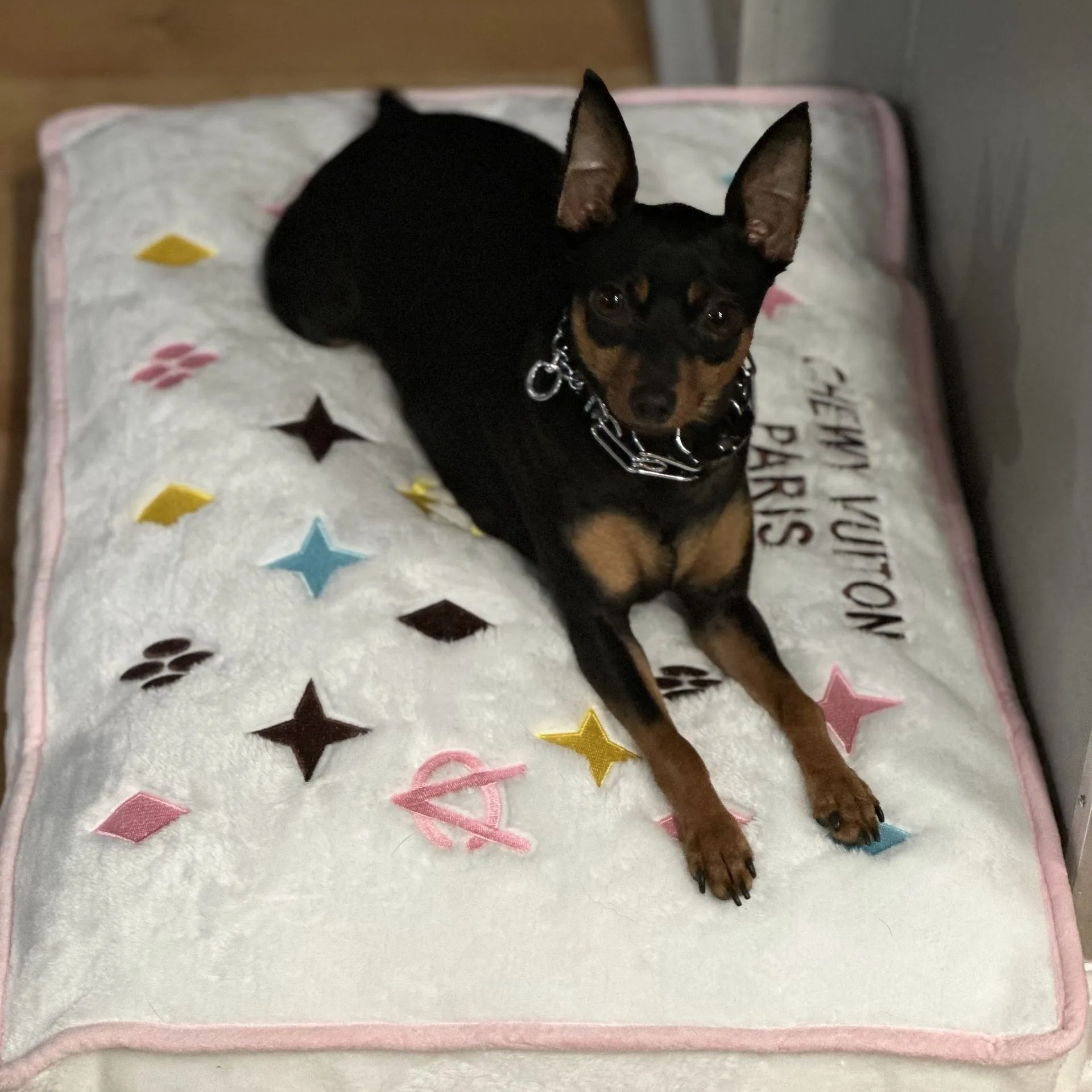
The Complete Guide to Housebreaking Your Puppy
Bringing home a new puppy is exciting — but let’s be honest, housebreaking can quickly test your patience. The good news? With consistency, structure, and the right approach, most puppies can learn proper bathroom habits much faster than owners expect.
At Elite Dog Training, the philosophy is simple: successful training comes from clear communication, repetition, consistency, and teaching both the dog and the owner. Their in-home training approach focuses on building long-term habits that work in real-life environments — not just during training sessions.
Here’s how to set your puppy up for housebreaking success from day one.
Start With a Consistent Schedule
Dogs thrive on routine. One of the biggest mistakes owners make is allowing inconsistent feeding and potty schedules.
Puppies should go outside:
- First thing in the morning
- Immediately after eating
- After naps
- After playtime
- Before bedtime
- Every 1–2 hours for young puppies
The more opportunities your puppy has to succeed outside, the fewer accidents happen indoors.
Consistency creates predictability, and predictability speeds up learning.
Supervision Is Everything
Many housebreaking issues come down to one simple problem: insufficient supervision. Experienced trainers and dog owners consistently emphasize that puppies need close monitoring during the learning process.
If your puppy is wandering freely around the house unsupervised, accidents are almost guaranteed.
Instead:
- Keep your puppy in the same room with you
- Use a leash indoors if needed
- Watch for signs like sniffing, circling, or suddenly stopping play
- Interrupt accidents calmly and immediately take them outside
Every successful potty trip outdoors reinforces the habit you want.
Crate Training Can Be a Powerful Tool
Crate training works because dogs naturally prefer to keep their sleeping area clean. When used properly, crates help puppies learn bladder control and establish routine.
However, the crate should never be used as punishment.
A good crate setup should:
- Be large enough for the puppy to stand and turn around
- Feel safe and comfortable
- Be introduced gradually and positively
If your puppy doesn’t go outside when taken out, a short period back in the crate followed by another potty attempt can help establish the connection between outdoors and bathroom time.
Reward Success Immediately
Timing matters.
The reward should happen the moment your puppy finishes going outside — not several minutes later after coming back inside.
Praise, affection, and positive reinforcement help your puppy understand:
“Going outside is the correct behavior.”
At Elite Dog Training, training emphasizes consistency and communication rather than gimmicks or confusing methods. Building trust and clarity helps dogs learn faster and with less stress.
Accidents Will Happen — Stay Calm
Housebreaking is a process, not an overnight transformation.
Punishing accidents after the fact usually creates fear and confusion because dogs do not connect delayed punishment with something they did earlier.
Instead:
- Clean accidents thoroughly to remove odor
- Stay calm
- Focus on preventing the next mistake
Your goal is to create as many successful repetitions as possible.
Some Puppies Need a Different Approach
Not every puppy learns at the same pace.
Dogs from puppy mills, shelters, or overcrowded environments sometimes struggle more because they may not have developed natural cleanliness habits early on. Trainers in the dog community often note that these dogs may require additional patience and modified training methods.
The key is adapting the training plan to the individual dog instead of forcing a one-size-fits-all approach.
That personalized philosophy is one reason many owners choose Elite Dog Training for in-home training support. Their programs are designed around each dog’s personality, environment, and family lifestyle.
Housebreaking Takes Patience — But It’s Worth It
Every puppy owner experiences frustration during housebreaking at some point. The owners who succeed are usually the ones who remain patient, consistent, and committed to the process.
The effort you put in during those early weeks creates habits that last for years.
With proper structure, clear communication, and guidance, your puppy can become a calm, confident, and reliable companion both inside and outside the home.
If you need help creating a personalized training plan, Elite Dog Training offers professional in-home dog training throughout Chicago’s North Shore and surrounding communities.
Dog Training Tips To Stop Dog Jumping
Too often, owners are the cause of the bad behavior known as “Jumping Up.” From the puppy stage to adulthood, many puppies are allowed to jump up and be petted and loved. Then, the puppy grows into a full-sized adult that knocks you off your feet whenever it greets...

Eliminate The Source Cause Of Dog Biting
Dog biting problems are simply the results arising from some other factor. By identifying and addressing that factor with patience and confidence, you can effectively eliminate the biting problems. Patience is especially needed when you are still trying to identify...

Why Train Your Dog?
Training is an essential part of raising puppies to become well-mannered dogs. Training a puppy doesn’t mean you’ll have to stop playing, cuddling, or spoiling them. It only means that you’ll have to spend extra time and effort in making sure that the puppy...
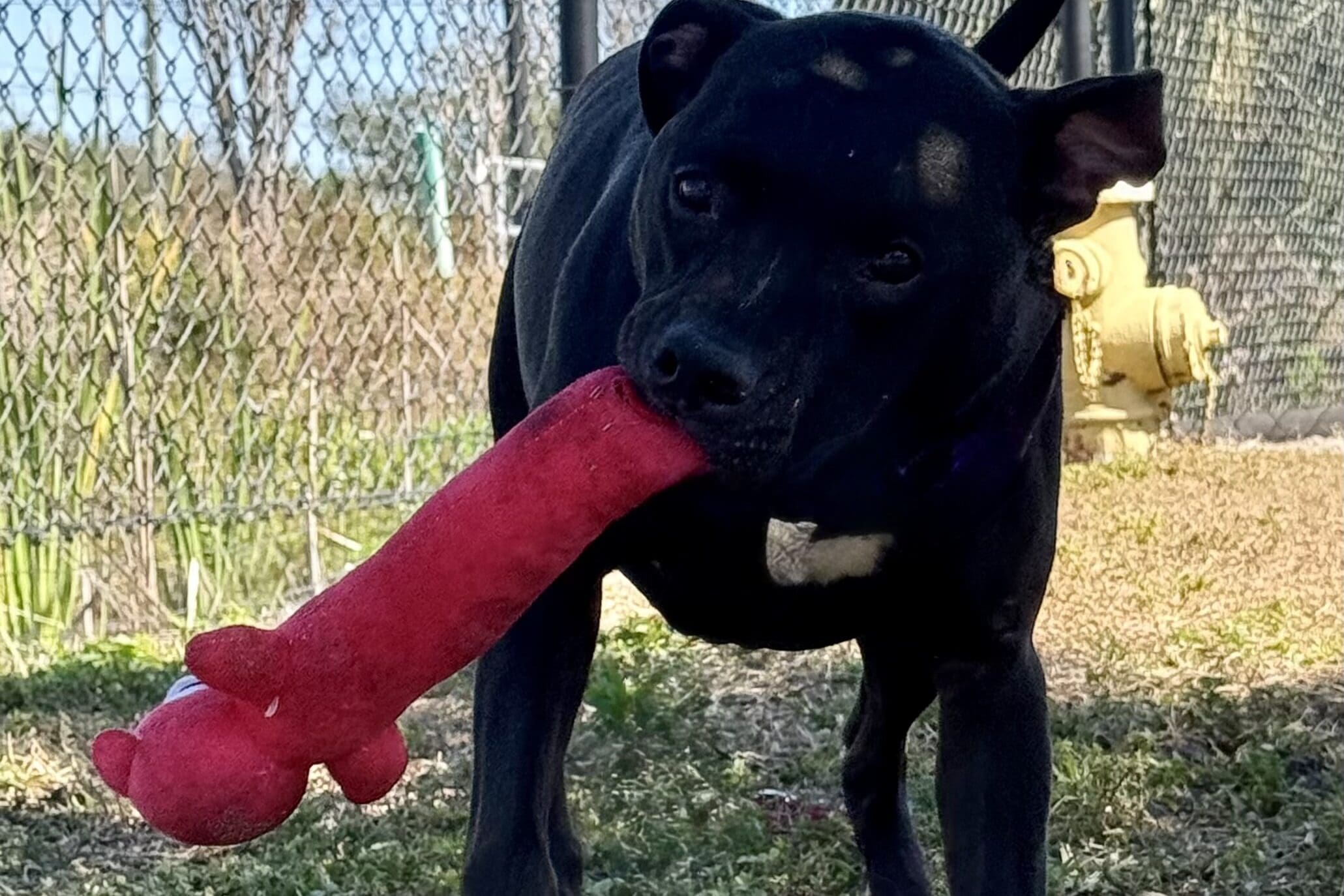
Using Toys To Assist Training
There are lots of dog toys you can use to correct puppy behavior problems like destructive chewing. In order to prevent “boredom,” I suggest that you purchase an assortment of chew toys. If you notice your puppy starting to chew on furniture or other household items,...
